A structured medical guide to drug de-addiction at Svadhyaya — from detox to long-term recovery.
Drug addiction in Madhya Pradesh today
While alcohol remains the single largest substance of concern in Indore, drug use — particularly cannabis (ganja, charas), prescription opioids, codeine-based cough syrups, heroin ("smack"), and an increasing wave of synthetic drugs and party stimulants — has risen sharply in the last decade. The age of first use is dropping, with school and college students experimenting earlier than ever. Families often discover the problem only when academic performance collapses or money begins disappearing from the household.
The framework for understanding drug addiction is the same medical model described in understanding addiction as an illness, not a choice. Each substance, however, has its own withdrawal profile, treatment pathway and relapse risk — and treatment must be tailored accordingly.
Substance-by-substance overview
Cannabis: The most common drug of concern in Indore students. Long-term heavy use is associated with cognitive impairment, motivation loss ("amotivational syndrome"), anxiety, and a clear increased risk of triggering psychotic illness in vulnerable individuals — a pattern that overlaps with what we describe in schizophrenia treatment in Indore. Withdrawal is psychological more than physical: irritability, insomnia, craving and mood changes lasting 2-4 weeks.
Opioids (codeine syrups, tramadol, heroin): Highly physically dependence-forming. Withdrawal includes severe body aches, vomiting, diarrhoea, runny nose, intense craving and insomnia. Medically supervised detox is essential and substitution therapy is often used. Relapse risk is high without long-term aftercare.
Benzodiazepines and prescription drugs: Withdrawal can produce seizures — never stop abruptly. Always taper under medical supervision.
Stimulants (party drugs, MDMA, methamphetamine): Cause depression, anhedonia and severe anxiety on stopping, requiring psychiatric management.
The three phases of drug rehabilitation
Our drug rehabilitation programme at Svadhyaya Indore follows three structured phases. Phase 1 — Medical detoxification happens under 24-hour psychiatric and nursing supervision, with substance-appropriate medication to manage withdrawal safely and humanely. Length varies: 5-10 days for cannabis, 10-14 days for opioids, longer for benzodiazepine tapers.
Phase 2 — Active rehabilitation typically spans 4-12 weeks, combining individual counselling, group therapy, the AA/NA 12-step programme, motivational enhancement therapy, family sessions and daily structured activities including yoga, sport and vocational input. Patients learn to identify triggers, build new coping skills, and rebuild a life identity that doesn't depend on the substance.
Phase 3 — Aftercare and relapse prevention runs for at least a year after discharge. This is where most recoveries are won or lost. Regular OPD follow-up, ongoing self-help group attendance, family check-ins and a written relapse-prevention plan are non-negotiable. The detailed approach is laid out in building a relapse prevention plan that works.
Family involvement is not optional
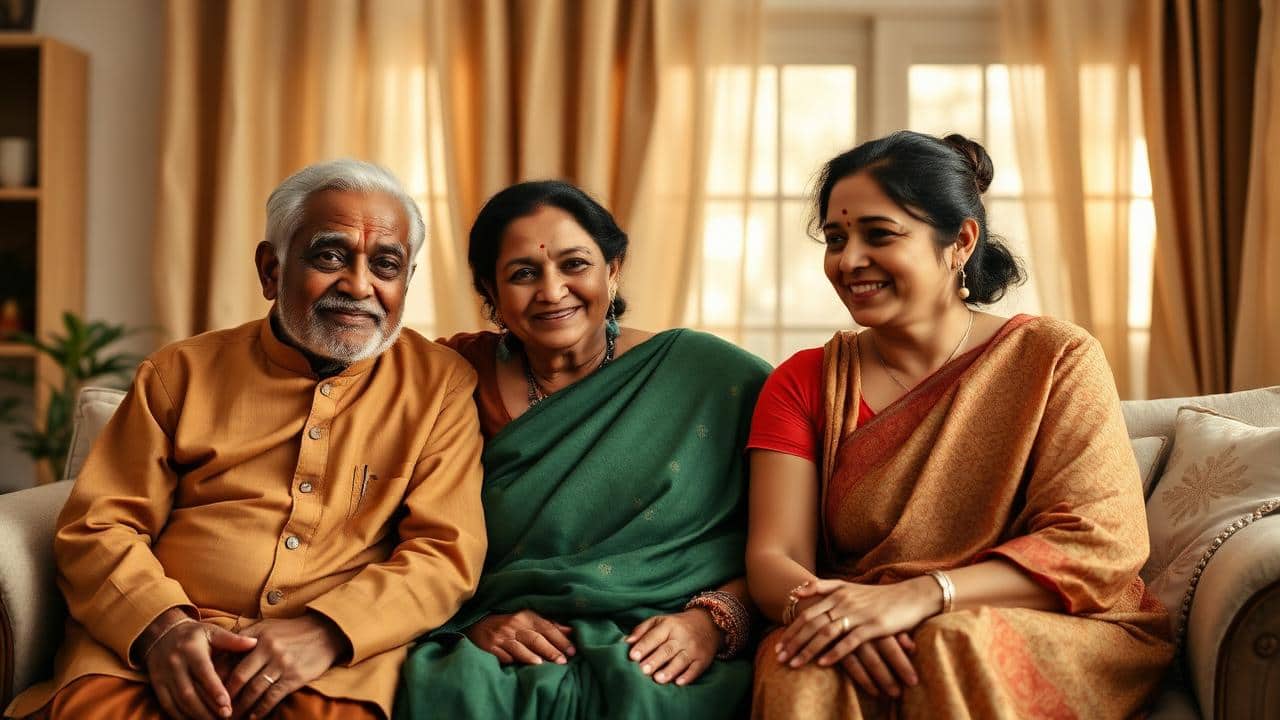
In Indian families, addiction is often viewed as moral failure or willful misbehaviour. Anger, shame and silence dominate. This response, while understandable, predicts relapse. Family psycho-education sessions at Svadhyaya teach relatives about the disease model, common triggers, enabling behaviours (giving money, covering up at work, paying off dealers), and the practical art of supporting a recovering person without becoming an emotional hostage to their illness.
The principles are identical to those discussed in the role of family in psychiatric recovery — applied with the additional complexity that drugs often involve illegal activity, legal trouble and significant financial damage to the household.
Treating mental illness alongside addiction
The majority of patients in drug rehabilitation also have a co-existing psychiatric condition — depression, anxiety, ADHD, PTSD or bipolar disorder. Treating addiction without treating the underlying illness almost guarantees relapse. Our medical team screens systematically for these conditions and treats them in parallel, with reference to the frameworks in recognising depression, anxiety disorders and trauma and PTSD recovery.
Admission is confidential and 24×7
Svadhyaya Neuro Psychiatric Hospital at Bicholi Mardana, Indore, has dedicated drug de-addiction beds available 24×7. Admission is completely confidential — there is no information shared with employers, schools or anyone else without consent. Call 6262127771 for admission guidance, or WhatsApp our team for a private conversation.
Choosing a de-addiction admission in Indore
Families in Indore often arrive at Svadhyaya after weeks of trying to manage this at home, in a hostel, or between shifts. The campus is at 206/3, Bicholi Mardana, Behind Empire Estate Colony. You do not need a referral. Call 6262127771 or 6262137771, or send a WhatsApp message, and ask for a confidential first conversation. If the person is unsafe tonight, do not wait for a routine slot.
Care here is organised around the services already published on this website. Read de-addiction and rehabilitation for what that programme includes, and the profile of Dr. Pawan Rathi for the qualifications the hospital has listed. Bring previous prescriptions, a short note of sleep and appetite over the last fortnight, and the name of a family member who can attend at least one session. None of this article is a diagnosis.
Write down what has changed in the last month, what you have already tried, and any alcohol, cannabis or sleeping tablets in the picture. Ask the clinician to repeat the plan in ordinary language before you leave, including when to call again. The hospital describes follow-up as part of treatment, not as an optional courtesy. If you are coming from Dewas, Ujjain or another part of the city, say so when you book so the first conversation is long enough to be useful.
Alcohol is covered separately in alcohol de-addiction in Indore. Cannabis worries that include hearing voices or severe suspicion should also be read beside schizophrenia care, because the article notes a higher risk of psychosis in vulnerable people. After discharge, aftercare is the part families most often skip, and it is the part the hospital treats as essential.